For homeowners
Understand your roof before you call a crew
Roof and Rafter explains how roofs fail, what a repair or a replacement involves, and how to read a quote line by line, so the call you make is an informed one.
Run through the inspection checklist Browse the Roof library
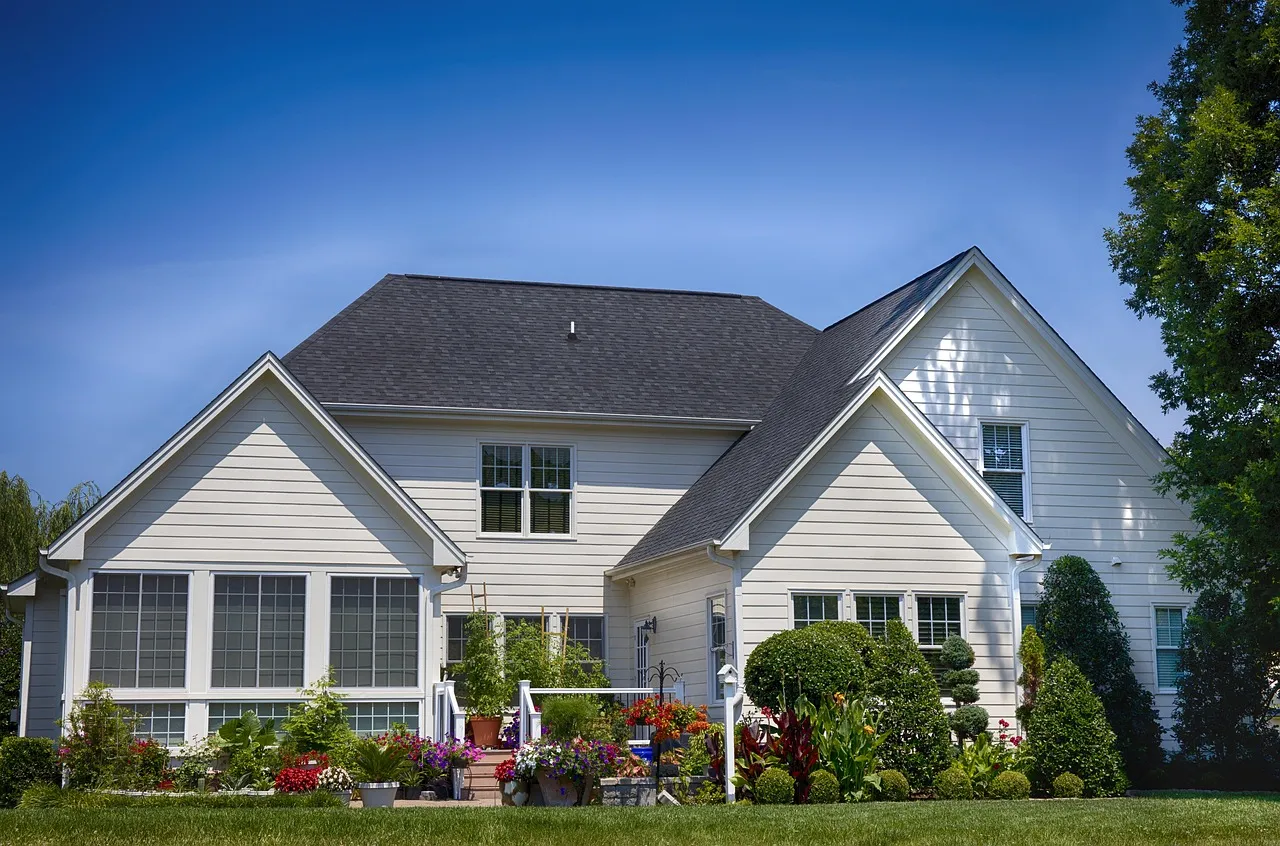
Photo: mschiffm via Pixabay
Where to begin
-
You think something is wrong
Walk through the inspection checklist first. It covers what you can see from the ground, from the attic and from inside the house, and when to stop and call someone.
-
You are about to call crews
The hiring guide covers licensing, insurance, written quotes and the warning signs, so you know what to ask before anyone climbs a ladder.
-
You are choosing what goes on next
The materials table sets asphalt, metal, tile and flat-roof membranes side by side on lifespan, weight and upkeep.
-
A quote uses words you do not know
The glossary explains the terms that show up on estimates and inspection reports, from drip edge to underlayment.
Field calculator
Roof Area Estimator: Squares from Footprint and Pitch
Turn a house footprint, overhang and pitch into roof area and roofing squares.
You bring
- House length (feet)
- House width (feet)
- Overhang on each side (inches)
- Roof pitch (rise per 12 inches of run)
- Waste allowance (percent)
Browse the subjects
-
Repair
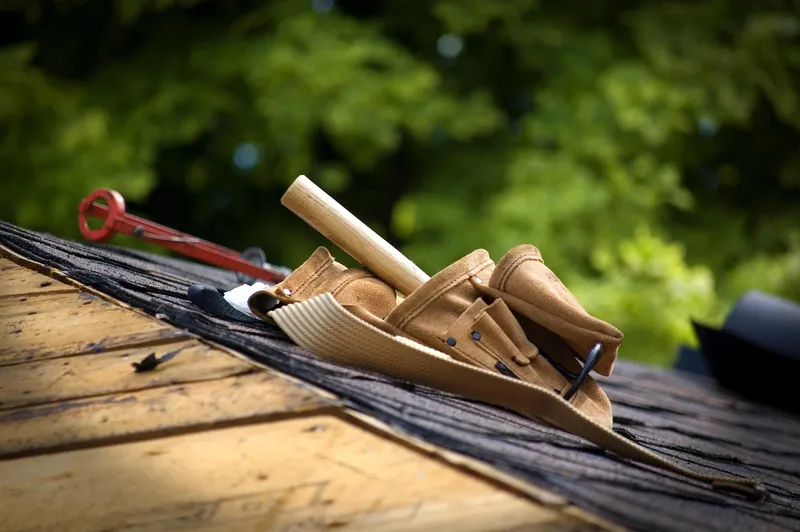
Leaks, flashing, damaged shingles and what a repair visit usually involves.
-

Replacement
When replacing beats repairing, and how to read a replacement quote.
-

Materials
Asphalt, metal, tile and flat-roof membranes compared on cost and lifespan.
-
Storm damage
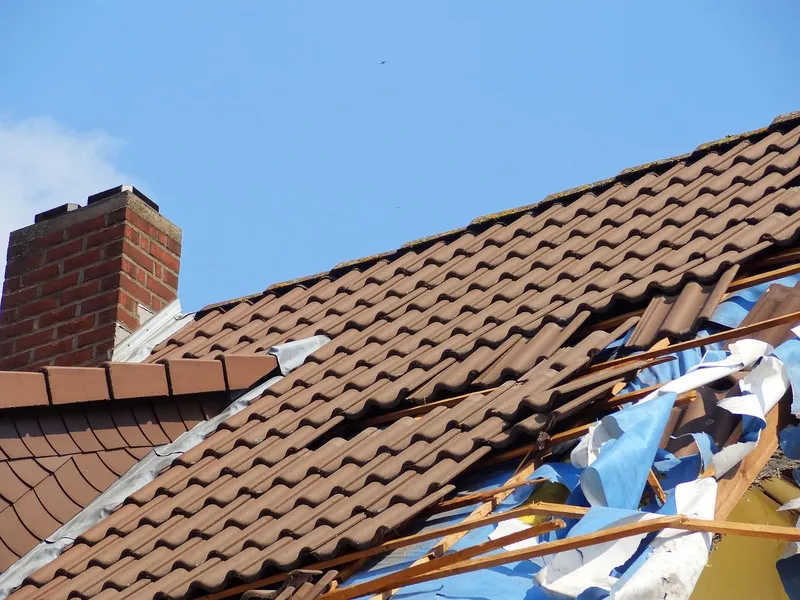
Documenting storm damage and working through the insurance claim.
Questions people ask
How long should a roof last?
It depends on the material, the climate, how well the attic is ventilated and how carefully the roof was installed. Asphalt shingles commonly last into their second or third decade, while metal and tile generally last longer. A manufacturer's warranty is not a promise of that lifespan, so read what it actually covers.
Is it safe to check a leak from the roof myself?
Usually it is not worth the risk. Falls from ladders and roofs cause serious injuries, and a wet or steep roof is slippery. Start from the ground with binoculars and from the attic with a flashlight. If you do go up, use proper fall protection, or hand the inspection to a professional.
Does homeowners insurance pay for roof damage?
Policies differ, so read yours or ask your insurer. As a general pattern, sudden events such as wind or hail are more likely to be covered than wear, age or neglected maintenance, and deductibles and roof-age terms can change the outcome. Take dated photos of any damage before repairs begin.
How do I work out how big my roof is?
Multiply the house footprint plus the overhang by a pitch factor. The roof area estimator on this site does the arithmetic and gives the answer in square feet and in roofing squares, where one square is 100 square feet.
Do I need a permit to replace a roof?
Many places require one, and some waive it for small repairs. Rules are set locally, so ask your building department. If a contractor is pulling the permit, ask whose name it is under.
How we handle roof advice
A roof is part of a building, and buildings are governed by rules that differ from town to town. The pages here are written with that in mind.
-
Start from the ground
Guides begin at ground level, in the attic or at a window. Work that needs fall protection is described and never taught.
-
Code and manufacturers
Local building code and the maker's installation instructions decide how the work has to be done. A page that depends on either says so.
-
Costs explained, not quoted
Prices move with region, season and the shape of the roof. We cover what drives a quote and leave the numbers to the quotes you collect.
-
Claims in general terms
Policies differ, so anything about claims stays general, and coverage is the insurer's call under your policy.